Experience the Royal Treatment Today
Licensed & Insured. NYC Lic. #2030146
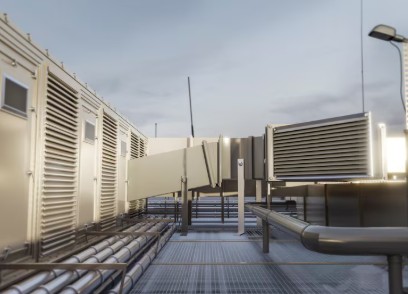
Rooftop HVAC Equipment Support And Curb Installation

Commercial buildings commonly house HVAC units on flat roofs to save valuable interior space and reduce noise inside the building. However, placing heavy equipment on your roof requires proper support systems to prevent damage and leaks. Installing HVAC equipment directly on the roof membrane is a recipe for disaster. This is why a skilled roofing crew must install equipment curbs and supports correctly before any HVAC unit is placed. Understanding this critical component protects both your roof and your expensive heating and cooling equipment.

What Are Roof Curbs?

Roof curbs are raised frames, typically made from wood or metal, that elevate HVAC units above the roof surface. Think of them as platforms that create a secure mounting point while keeping equipment away from standing water and roof membrane. Curbs also provide a transition point where ductwork penetrates the roof, and they help distribute the equipment's weight across a larger roof area.

Why Proper Support Matters

HVAC units are heavy, often weighing hundreds or thousands of pounds. Without adequate support, this weight can compress insulation, damage the roof membrane, and even compromise structural decking. Concentrated weight on unsupported areas leads to sagging, ponding water, and eventual roof failure. Proper support also addresses vibration. Running HVAC equipment creates constant vibration that can wear through roofing materials over time. Well-designed curbs with vibration isolators protect your roof from this mechanical stress.

Key Components of Proper Installation

  • Structural Assessment: Before installing any rooftop equipment, verify that your building structure can handle the additional weight. This includes the equipment itself plus maintenance personnel who will service it. Some roofs require reinforcement before equipment installation.
  • Curb Construction: Quality curbs use pressure-treated wood or galvanized metal construction. The frame must be level, square, and sized correctly for your specific equipment. Gaps between the curb and equipment allow water infiltration and energy loss.
  • Waterproofing Integration: The curb must integrate seamlessly with your existing roofing system. Base flashing wraps from the roof surface up and over the curb sides. Counterflashing protects the top edge. All corners require careful detailing since these spots are prone to leaks.
  • Insulation: Insulated curbs prevent condensation inside the curb cavity and reduce energy loss where ductwork penetrates the roof. Proper insulation also maintains consistent temperatures and prevents moisture problems.
  • Secure Mounting: Curbs must be properly fastened to the roof deck with appropriate fasteners spaced correctly. Inadequate fastening allows wind to lift equipment or shift the curb, breaking waterproofing seals.
  • Access Considerations: Plan walkways and access paths to equipment. HVAC technicians need safe routes that don't damage your roof membrane. Installing protective walkway pads prevents wear from repeated foot traffic.

Rooftop HVAC installation requires coordination between roofing and mechanical contractors. Don't compromise on this critical work.


Contact an experienced roofing contractor today at 366 Grand Street Williamsburg, NY 11211 (718) 690-7084 https://www.williamsburgroofingny.com to properly install or inspect your rooftop equipment curbs and ensure your investment stays protected for years to come.

Williamsburg Roofing Is The Premier Roofing Contractors In The New York City Area. Enjoy Certified, Insured, Licensed & Bonded Contracting Service Today By Calling Us Now Or Filling Out Our Contact Form
Contact Us

366 Grand Street Williamsburg, NY 11211

Drag a button, link, or anything else into the icon box to place it below the text. Lorem ipsum dolor sit amet elit.

Copyright Ⓒ 2020 Royal Renovators Inc. All Rights Reserved